As you flip through your November and December 2024 calendar, the holiday buzz and cooler weather may dominate your thoughts. Yet, winter also brings a spike in respiratory illnesses, and being able to spot the early signs of tuberculosis (TB) can save time, money, and, most importantly, health. Below is a step‑by‑step snapshot of what to look for and what to do if you suspect a TB infection.
Why TB Matters This Season
Tuberculosis is a bacterial infection that primarily attacks the lungs. While not as contagious as COVID‑19, it can linger for weeks before symptoms become obvious, especially in the cold months when people spend more time indoors. Understanding the signs helps you avoid unnecessary delays in diagnosis and treatment.
Common Pulmonary Symptoms
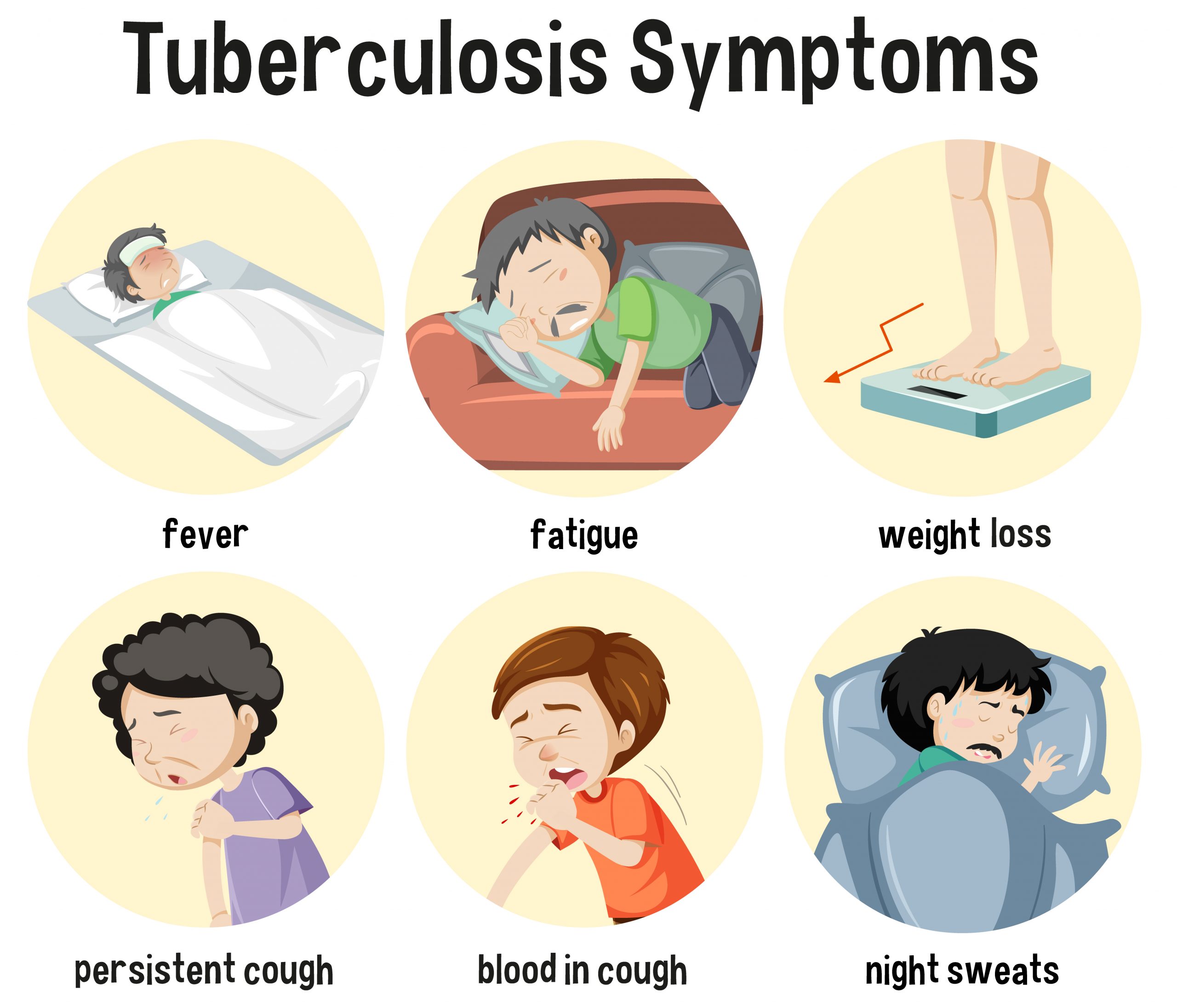
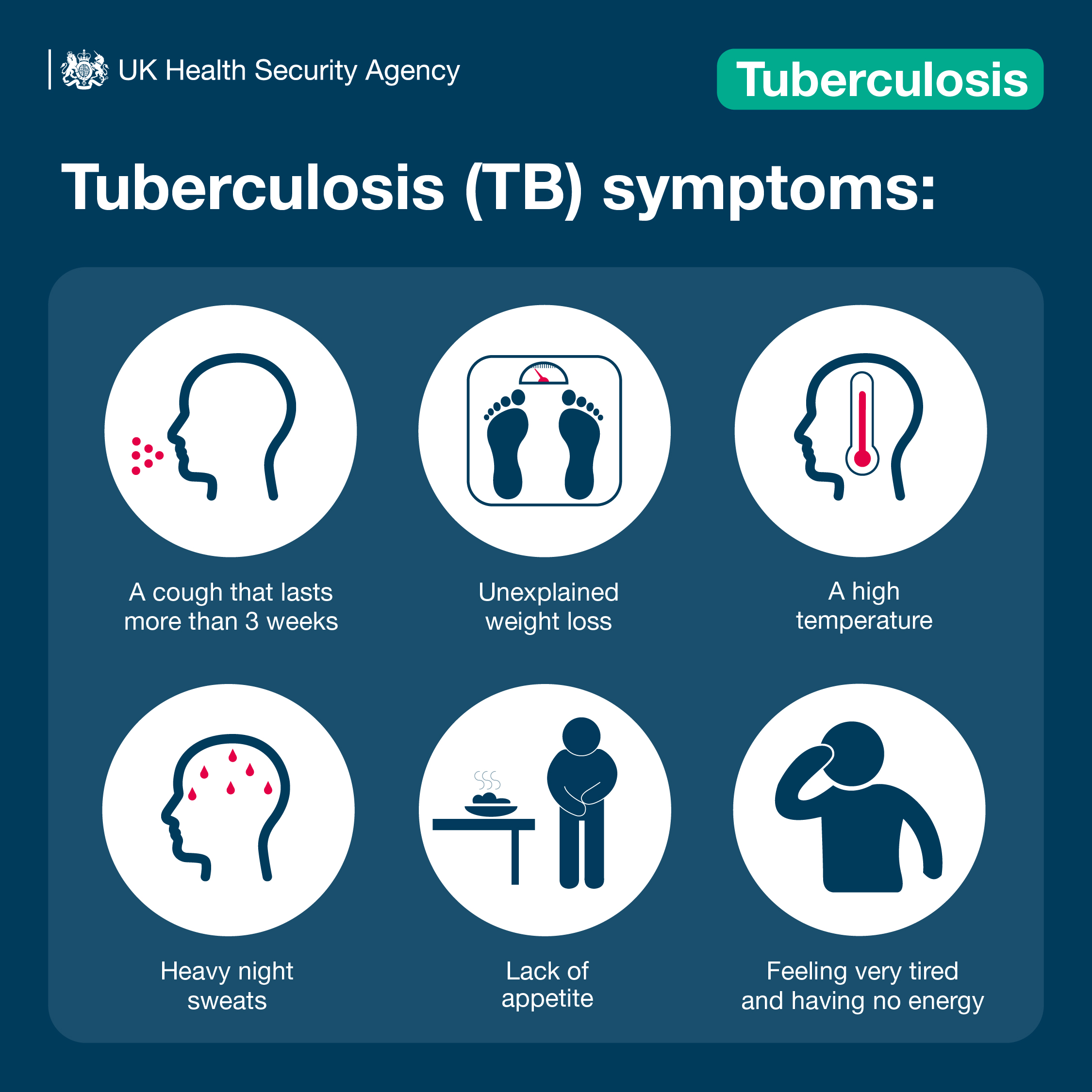
1. Persistent cough lasting more than three weeks
2. Chest pain that worsens with breathing or coughing
3. Night sweats, often soaking sleepwear or blankets
4. Unexplained weight loss and fatigue
Less Obvious Indicators
1. Shortness of breath that gradually intensifies
2. Fever that is low‑grade but persistent
3. Loss of appetite or changes in taste
4. Swollen lymph nodes in the neck or armpits
Step‑by‑Step Discovery Path
- Self‑Screening – Use the symptom list as a quick check. If you meet two or more criteria, note the dates in your calendar.
- Seek Medical Evaluation – Schedule a visit with a primary care provider. Mention the timing of symptoms relative to your holiday travel or indoor gatherings.
- Diagnostic Tests – Chest X‑ray and sputum culture are standard. If you’re at a high risk (e.g., recent exposure, immunosuppressed), your doctor may order a TB skin test or interferon‑gamma release assay.
- Confirm and Treat – Positive results trigger a multi‑drug regimen that lasts 6–9 months. Your provider will tailor the plan based on drug resistance tests.
Preventing Transmission During Festive Gatherings
- Keep vaccination status current; the BCG vaccine offers partial protection in some regions.
- Practice good ventilation by opening windows or using air purifiers.
- Wear masks when in crowded indoor spaces, especially if someone shows cough or fatigue.
- Encourage regular health checks for household members and close contacts.
What Your Calendar Can Reveal
Marking the dates of symptom onset and healthcare visits on your November‑December calendar helps track potential exposure windows. If you or a loved one falls ill, a clear record speeds up contact tracing and reduces the chance of unnoticed spread.
Concrete Takeaway
While holiday planning fills the page of your November and December 2024 calendar, don’t let a ticking clock hide a silent threat. By noting symptoms early, mapping them to calendar dates, and acting swiftly, you protect not only yourself but also the wider community.
Stay informed, stay safe, and let your calendar be a tool for both celebration and health vigilance.
